
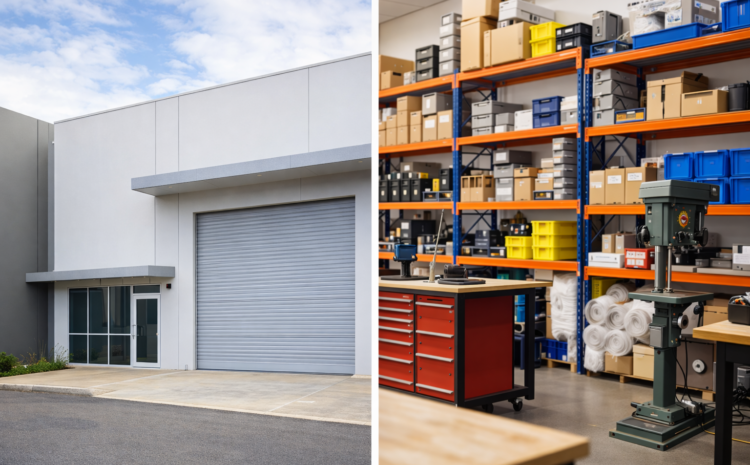
Landlord, Warehouse or Workshop? Understanding Property Risks for Business Owners
Many business owners carefully insure their operations but overlook the risks attached to the property they own or occupy. Whether you lease out a commercial building, operate from a warehouse or run your business from a workshop, the physical premises introduce a separate layer of financial exposure. If a major loss occurs, the impact can extend well beyond repairing walls and replacing equipment.
Owning or occupying commercial premises comes with risks such as:
- Storm, fire or accidental damage to the building
- Theft or damage to stock, plant and equipment
- Loss of rental income if tenants cannot occupy the premises
- Trading interruptions while repairs are carried out
For landlords, lease agreements may shift certain responsibilities between owner and tenant, but the building owner still carries significant exposure. For business operators, concentration of stock, machinery and tools in a single location increases the financial impact of a serious event.
One of the most common misunderstandings relates to the difference between building cover, contents cover and business interruption insurance. These covers are designed to respond to different aspects of a loss.
Building cover generally protects:
- The physical structure of the premises
- Permanent fixtures and fittings
- Structural improvements
Contents cover is designed to protect movable assets such as stock, tools, machinery and office equipment. Business interruption insurance addresses the financial consequences of being unable to trade following insured damage. If a fire damages both the building and its contents, building cover and contents cover operate separately. If the business cannot operate during repairs, business interruption insurance may respond to lost income and ongoing expenses, subject to policy terms.
Another critical issue is the accuracy of sums insured. Construction costs, labour rates and material prices change over time. If building values are not reviewed periodically, the insured amount may no longer reflect true replacement costs. Underinsurance can occur gradually and may result in claim payments being reduced proportionately.
Areas where incorrect sums insured commonly arise include:
- Building values not adjusted for rising construction costs
- Stock levels that have increased as the business has grown
- Equipment purchases that were never added to the policy
- Rental income values not aligned with current lease arrangements
When declared values fall behind actual exposure, the shortfall may only become apparent at claim time. Regular reviews ensure that building, contents and income protection limits reflect the current state of the business and prevailing market conditions.
Final Thoughts
Owning or operating from commercial property introduces risks that differ from day to day operational exposure. Building cover, contents cover and business interruption insurance each play a distinct role in protecting financial stability. Reviewing sums insured regularly and understanding how these covers interact can significantly reduce the risk of underinsurance. A structured review provides confidence that both your premises and your income are properly protected.